22.02.2021 “The Hierarchy of Heaven and Earth” by Douglas Harding Magick Matters "This book begins with the question ‘Who am I?’ and immediately sets off in an astonishingly original direction. Why didn’t anyone before Harding think of responding to this question like this? It’s so obvious, once you see it. Harding presents a new vision of our place in the universe that uses the scientific method of looking to see what is true. It turns out that the truth about ourselves is not only true but also very good, and breathtakingly beautiful. We live in a sacred, many-layered, living universe – or rather it lives in us. Though it was completed in 1952, this book is still ahead of its time. One day it will surely be ...>> View
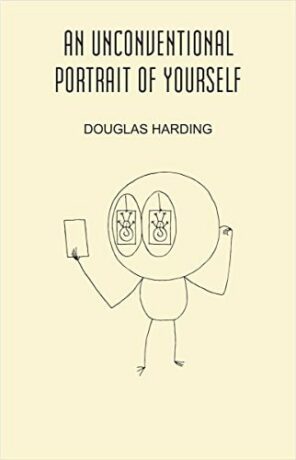
22.02.2021 “An Unconventional Portrait Of Yourself” by Douglas Harding Magick Matters "This book was completed by Douglas Harding in 1941, so it shows his thinking about a year before he saw he was headless. Challenging the conventional view of who you are, Harding demonstrates how everything is within you, that you do not stop at the boundary of your skin but encompass the whole universe. An inspiring book, clearly written, with many illustrations."...>> View
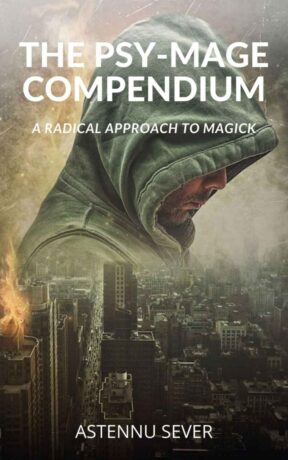
21.02.2021 “The Psy-Mage Compendium: A Radical Approach to Magick” by Astennu Sever Magick Matters "The Psy-Mage Compendium is a collection of yet unpublished writings by Astennu Sever. The information presented is aimed at both beginner and advanced magicians who prefer a modern approach to this ancient art. Astennu Sever's approach is a blend of Hermetic philosophy, mental practices and Goetic summoning rituals. This book provides a philosophical disposition, rituals and lifestyle modifications necessary to pursue The Great Work. New information presented in this compendium includes: - Transforming Vision - Mana Charging - The Mental Citadel Project - The Magician's Attitude The book also contains Astennu's most accomplished rituals, with clear-to-follow instructions."...>> View
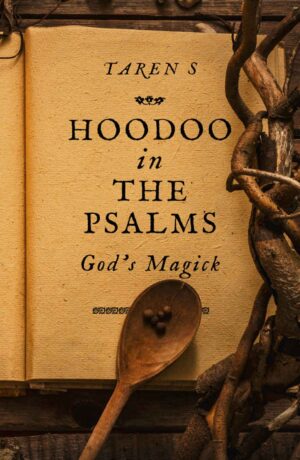
21.02.2021 “Hoodoo in the Psalms: God’s Magick” by Taren S Magick Matters "You are holding in your hands one of the most powerful grimoires for practicing the magick found in the Psalms. It contains over 160 complete and ready to use magickal workings for both the novice and the more experienced magickal folks to add to their personal libraries. From ancient texts long covered in dust, to the 19th century Marie Laveau, and the modern-day Doc Buzzard, Hoodoo in the Psalms offers magickal workings developed and used over a millennium for the modern conjurer to use today."...>> View
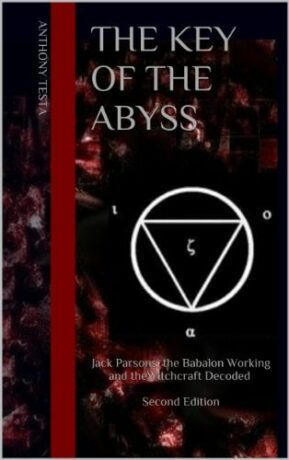
21.02.2021 “The Key of the Abyss: Jack Parsons, the Babalon Working and the Witchcraft Decoded” by Anthony Testa Magick Matters "The Magick of today is the religion of tomorrow. Probably the most important spiritual movement of the last century has been the return of the Goddess to the consciousness of the Western World. At the forefront of that movement has been neo-pagan witchcraft, or Wicca, and it has grown steadily since Gerald Gardner went public in the 1950s. Wicca, however, grew out of the magical lodges of the 19th and early 20th centuries and while historians like Ronald Hutton have shown that Wicca probably wasn't a survival from the Middle Ages, it didn't spring fully formed from the brow of Zeus either. Among the cast of characters that Gardner associated with while he was developing ...>> View