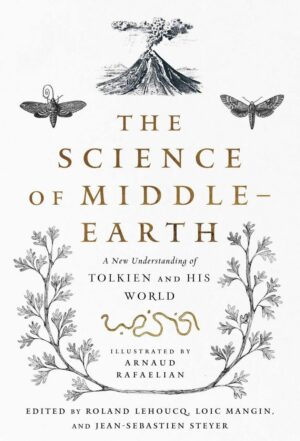
12.04.2021 “The Science of Middle-earth: A New Understanding of Tolkien and His World” edited by Roland Lehoucq, Loic Mangin and Jean-Sebastien Steyer Magick Matters "The surprising and illuminating look at how Tolkien's love of science and natural history shaped the creation of his Middle Earth, from its flora and fauna to its landscapes. The world J.R.R. Tolkien created is one of the most beloved in all of literature, and continues to capture hearts and imaginations around the world. From Oxford to ComiCon, the Middle Earth is analyzed and interpreted through a multitude of perspectives. But one essential facet of Tolkien and his Middle Earth has been overlooked: science. This great writer, creator of worlds and unforgettable character, and inventor of language was also a scientific autodidact, with an innate interest and grasp of botany, paleontologist and geologist, with additional ...>> View
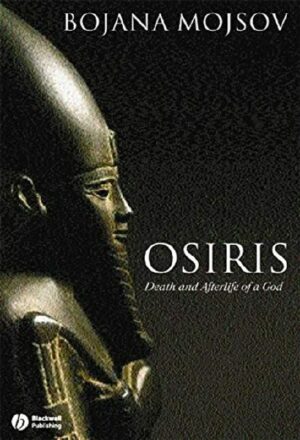
12.04.2021 “Osiris: Death and Afterlife of a God ” by Bojana Mojsov Magick Matters "Bojana Mojsov tells the story of the cult of Osiris from beginning to end, sketching its development throughout 3,000 years of Egyptian history. Draws together the numerous records about Osiris from the third millennium B.C. to the Roman conquest of Egypt. Demonstrates that the cult of Osiris was the most popular and enduring of the ancient religions. Shows how the cult provided direct antecedents for many ideas, traits and customs in Christianity, including the concept of the trinity, baptism in the sacred river, and the sacrament of the Eucharist. Reveals the cult’s influence on other western mystical traditions and groups, such as the Alchemists, Rosicrucians and Freemasons. Written for a general, as well as a ...>> View
12.04.2021 “Why So Stupid: How the Human Race Has Never Really Learnded to Think” by Edward de Bono Magick Matters "In Why So Stupid: How the Human Race has Never Really Learned to Think, Dr Edward de Bono acknowledges the excellence of the thinking system provided by the Renaissance but maintains that it is not enough. He says that we have become too complacent with a system that is dangerously inadequate in some areas. That this system is so enshrined in society will make change more difficult but more necessary. Dr de Bono outlines new thinking methods. He challenges us to open our minds to the potential of these methods and provides concrete examples of the remarkable results they achieve in practice."...>> View
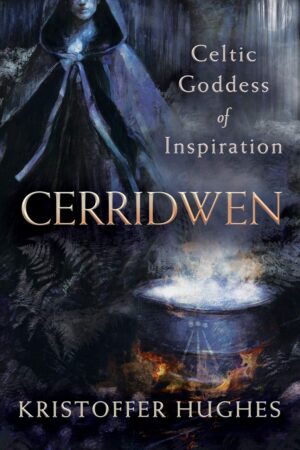
12.04.2021 “Cerridwen: Celtic Goddess of Inspiration” by Kristoffer Hughes Magick Matters "The witch goddess Cerridwen is the focus of devotion and reverence amongst witches and Pagans around the world. This book traces Cerridwen's roots through layers of history and myth, and it provides hands-on exercises and visionary rites to help you realize her immeasurable power in your own magical practice. Based on years of intensive research by celebrated Welsh Druid Kristoffer Hughes, this wonderful work shows you how to evoke the magic of ecstatic poetry and song as you join the lineage of magical bards who have explored the secrets of Awen and Cerridwen's cauldron of inspiration. You will also discover first-ever English translations from ancient Welsh manuscripts as well as Kristoffer's powerful approach to contemplative ...>> View
11.04.2021 “The Myth of Artificial Intelligence: Why Computers Can’t Think the Way We Do” by Erik J. Larson Magick Matters "A cutting-edge AI researcher and tech entrepreneur debunks the fantasy that superintelligence is just a few clicks away―and argues that this myth is not just wrong, it’s actively blocking innovation and distorting our ability to make the crucial next leap. Futurists insist that AI will soon eclipse the capacities of the most gifted human mind. What hope do we have against superintelligent machines? But we aren’t really on the path to developing intelligent machines. In fact, we don’t even know where that path might be. A tech entrepreneur and pioneering research scientist working at the forefront of natural language processing, Erik Larson takes us on a tour of the landscape of AI to show how ...>> View