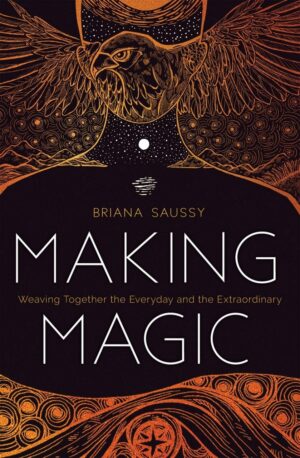
01.05.2021 “Making Magic: Weaving Together the Everyday and the Extraordinary” by Briana Saussy Magick Matters "When you think of magic, do you imagine something supernatural, extraordinary, or beyond your everyday reality? Many of us are drawn to magic because we think there’s something "out there" that can bring enchantment and wonder back into our lives. Yet there’s a secret to real magic: the extraordinary is much closer than you may think. With Making Magic, expert teacher Briana Saussy invites you to discover a practice of magic that will bring a new depth and power to each moment, act, and choice of your life. Through teaching stories, wisdom from a wide variety of world traditions, and no-nonsense practices you can easily weave into your daily routine, Briana will help you ...>> View
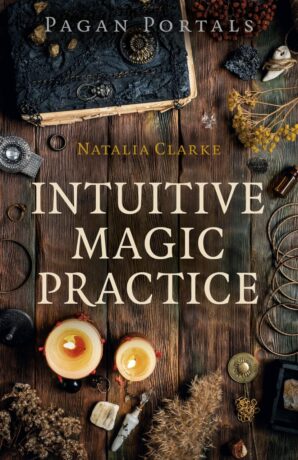
01.05.2021 “Intuitive Magic Practice” by Natalia Clarke (Pagan Portals) Magick Matters 🕵️🐷🕵️ zero-day🕵️🐷🕵️ "A guide and companion on an individual journey to true self-empowerment through reclaiming the power of intuition, this book celebrates who you are, utilizes intuition, nature principles and elements and puts YOU and your magical practice at the centre. Aimed at beginners, Pagan Portals - Intuitive Magic Practice is easy to follow and will help you discover techniques, methods and practices you can adapt for your own magical practice."...>> View
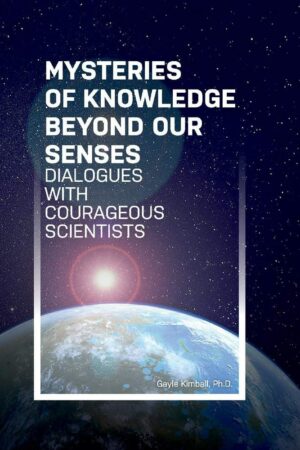
30.04.2021 “Mysteries of Knowledge Beyond Our Senses: Dialogues with Courageous Scientists” by Gayle Kimball et al Magick Matters "The Mysteries of Knowledge Beyond the Senses: Dialogues with Courageous Scientists reports on the current research and personal characteristics of 22 visionaries from the US and the UK. They reveal information about learning from other dimensions, altered states of consciousness, extrasensory perception, dreams, near-death experiences, remote viewing, parapsychology, etc. Vanguard scientists believe there is more than what we see and are formulating a non-materialist paradigm that expands human potential, including mind and matter interaction. Going against the dominant worldview evokes ridicule, as in "Why study flying pigs?" The book explores the personal backgrounds of the scientists to find out why they are so courageous. We learn that there are other dimensions that allow for ...>> View
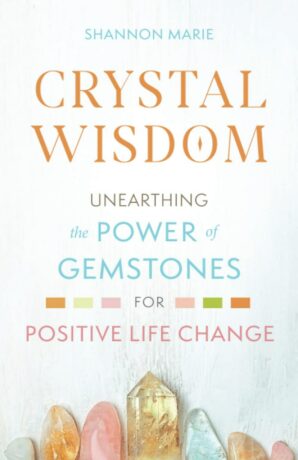
30.04.2021 “Crystal Wisdom: Unearthing the Power of Gemstones for Positive Life Change” by Shannon Marie Magick Matters "If you’re intrigued by the power of crystals and gemstones but still wonder how to use them for real life change, this book will show you how! Join author and certified professional gemologist Shannon Marie as she unveils, step by step, how to tap into your intuition and create a personal Crystal Wisdom practice to navigate life’s challenges with more ease. Whether you are brand new to gemstones and crystals or have been working with them for years, inside these pages you’ll learn how to: ● Choose the crystals that will support you the most in your day-to-day life ● Shop confidently with insider knowledge on what to look for and what to avoid ● ...>> View
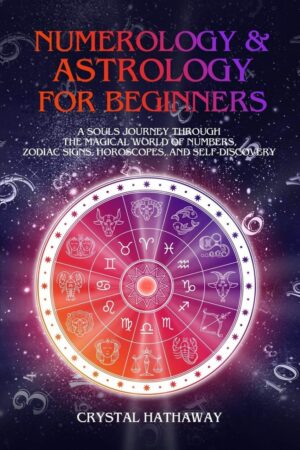
30.04.2021 “Numerology and Astrology for Beginners: A Soul’s Journey through the Magical World of Numbers, Zodiac Signs, Horoscopes and Self-discovery” by Crystal Hathaway Magick Matters "People fear numbers and astrology because it´s easier to blindly follow their fellows. Most of us live in a fake bubble of who we are and what we are doing on this planet. Looking deeper into numbers and the position of celestial objects requires strength and willpower. From now on, you can take charge of your destiny. Always remember, the universe has your back and you will receive the same energy back that you send out. In Numerology and Astrology for Beginners, you’ll discover: How the flap of a butterfly’s wings in Mexico cause a giant change in your life The man's name that 666 stands for and if you should be worried (Find ...>> View