Skip to content
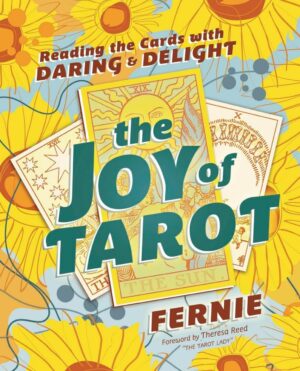
"Fernie, your new favorite fortune-teller and tarot teacher extraordinaire, dons a sequined caftan and makes tarot accessible, fun, and empowering for readers of all levels.
A far cry from the dry voices of antiquity and the sanitized "card-a-day" interpretations from an app, Fernie sounds a clarion call for all those who want to read the tarot. Don't worry, this approach isn't tedious, dangerous, or exclusive—it's full of joy!
Even the most dreaded cards are faced with a hug and a handful of glitter. Discover new ways to interpret the cards, explore creative tarot spreads, and gain a fresh perspective through Fernie's disco-ball–bedazzled eyes. Get ready to learn the cards and how to use them...and have ...>>
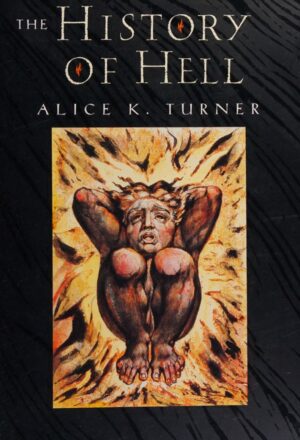
"In an arresting journey through the netherworld, Playboy fiction editor Turner explores the landscape and dynamics of Hell as envisioned by writers, artists, theologians and thinkers from Plato and Augustine to Milton, Calvin, Byron and T. S. Eliot. Starting with the worlds of the dead of the Sumerians, Egyptians, Zoroastrians, Greeks, Romans and Jews, Turner moves on to the sketchy biblical basis for Christian Hell and its increasing importance in thinking about the afterlife. After the fact of Hell was settled, it was up to writers like Bede, Gregory the Great and most of all Dante to give the graphic descriptions of an infernal region where the wicked endure torments. Enlightenment thinkers like Voltaire poured ...>>
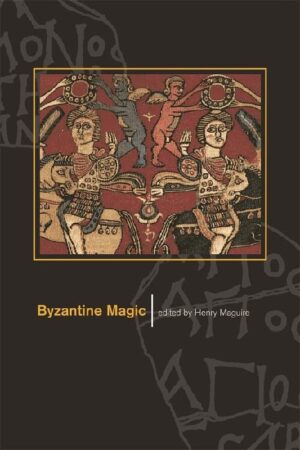
"Written by specialists in several disciplines, this volume explores the parameters and significance of magic in Byzantine society, from the fourth century to after the empire's fall. The authors address a wide variety of questions, some of which are common to all historical research into magic, and some of which are peculiar to the Byzantine context.
The authors reveal the scope, the forms, and the functioning of magic in Byzantine society, throwing light on a hitherto relatively little-known aspect of Byzantine culture, and, at the same time, expanding upon the contemporary debates concerning magic and its roles in pre-modern societies."...>>