Skip to content
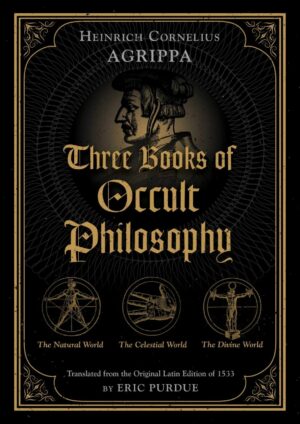
• Corrects the many mistranslations, copyist mistakes, and errors introduced from other editions, drawing on new research and access to Agrippa’s source texts
• Restores all of Agrippa’s original illustrations
• Presents a nearly complete bibliography of Agrippa’s primary sources
One of the most important texts in the Western magical tradition for nearly 500 years, Heinrich Cornelius Agrippa’s 1533 work Three Books of Occult Philosophy collates a multitude of sources from the Classical, Medieval, and Renaissance periods and organizes them into a coherent explanation of the magical world. Divided into three parts--the natural world, the celestial world, and the divine world--the book systematically explains the philosophy, logic, and methods of magic and astrology and how they work.
The...>>
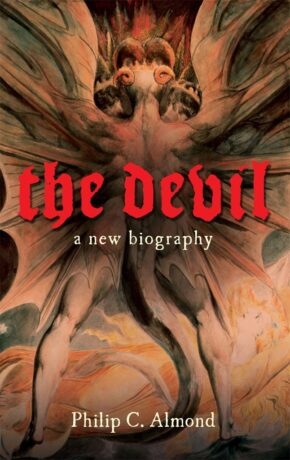
"Lucifer, Mephistopheles, Beelzebub; Ha-Satan or the Adversary; Iblis or Shaitan: no matter what name he travels under, the Devil has throughout the ages and across civilizations been a compelling and charismatic presence. In Christianity, Judaism, and Islam, the supposed reign of God has long been challenged by the fiery malice of his opponent, as contending forces of good and evil have between them weighed human souls in the balance.
In The Devil, Philip C. Almond explores the figure of evil incarnate from the first centuries of the Christian era. Along the way, he describes the rise of demonology as an intellectual and theological pursuit, the persecution as witches of women believed to consort with the...>>
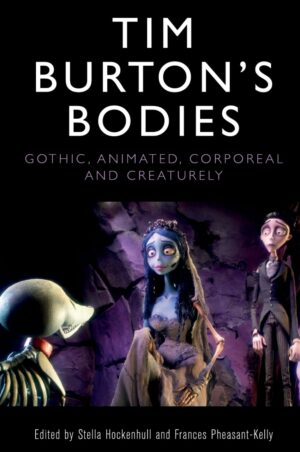
"Tim Burton is an internationally celebrated director, critically acclaimed for his fantasy horror films and the macabre ghosts, animated corpses and grotesques that inhabit them. This innovative study centres on the body as a centripetal force in Burton’s work and considers the array of anomalous, extraordinary and transgressive beings that pervade his canon. It broadens the focus of living forms to include animated, creaturely, corporeal and Gothic bodies, exploring the way that Burton celebrates the body — whether human, animal, animated or anthropomorphised.
In prioritising the somatic aspects of characters, Tim Burton’s Bodies spotlights actual physical attributes and behaviour, and considers what meanings these may impart in terms of race, class, gender, sexuality, humanimality and...>>