Skip to content
Magick Matters
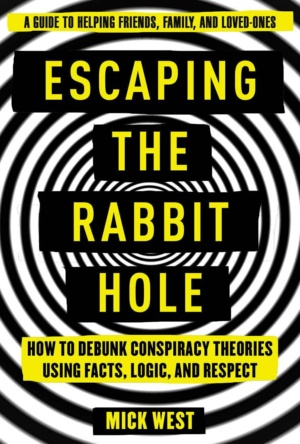
"Here is a conclusive, well-researched, practical reference on why people fall down the conspiracy theory rabbit hole and how you can help them escape. Mick West shares the knowledge and experience he's accumulated debunking false conspiracy theories, and offers a practical guide to helping friends and loved ones recognize these theories for what they really are.
The Earth is flat, the World Trade Center collapse was a controlled demolition, planes are spraying poison to control the weather, and actors faked the Sandy Hook massacre....
All these claims are bunk: falsehoods, mistakes, and in some cases, outright lies. But many people passionately believe one or more of these conspiracy theories. They consume countless books and videos,...>>
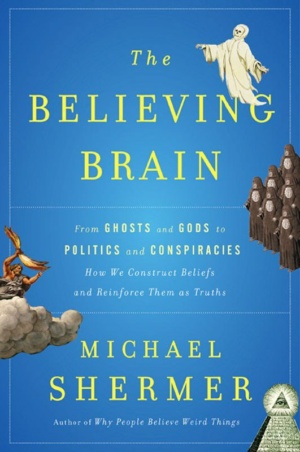
"The Believing Brain is bestselling author Michael Shermer's comprehensive and provocative theory on how beliefs are born, formed, reinforced, challenged, changed, and extinguished.
In this work synthesizing thirty years of research, psychologist, historian of science, and the world's best-known skeptic Michael Shermer upends the traditional thinking about how humans form beliefs about the world. Simply put, beliefs come first and explanations for beliefs follow. The brain, Shermer argues, is a belief engine. From sensory data flowing in through the senses, the brain naturally begins to look for and find patterns, and then infuses those patterns with meaning. Our brains connect the dots of our world into meaningful patterns that explain why things happen, and these...>>
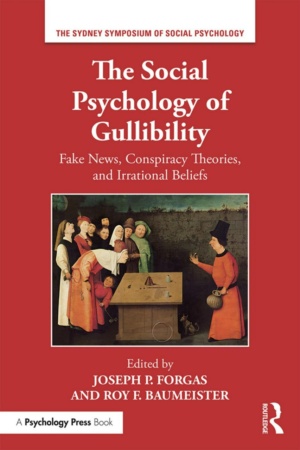
"Gullibility, whether we like it or not, is a fundamental characteristic of human beings. In The Social Psychology of Gullibility, Forgas and Baumeister explore what we know about the causes, functions, and consequences of gullibility, and the social psychological processes that promote or inhibit it.
With contributions from leading international researchers, the book reveals what social and cognitive psychology contribute to our understanding of how human judgments and decisions can be distorted and undermined. The chapters discuss the nature and functions of gullibility, the role of cognitive processes in gullibility, the influence of emotion and motivation on gullibility, and social and cultural aspects of gullibility. Underpinned by a wealth of empirical research, contributors explore captivating...>>