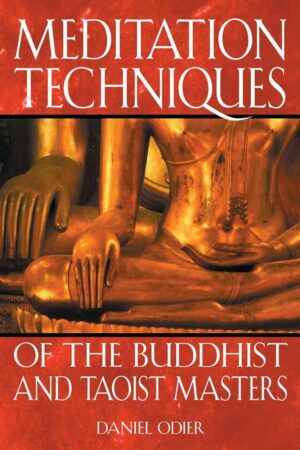
24.02.2024 “Meditation Techniques of the Buddhist and Taoist Masters” by Daniel Odier Magick Matters "A guide to the mental disciplines and visualizations that Masters have used for ages in their quest for illumination. The esoteric practices followed in the quest for divinity generally remain a secret to the world—kept cloistered away for only the most ascetic practitioners. Now Daniel Odier, having immersed himself in the life and spiritual practices of Buddhist and Taoist monasteries throughout India, Nepal, Sri Lanka, Thailand, and Japan, reveals actual teachings passed on by the sages who are living expressions of their tradition. Looking beyond doctrine, dogma, and philosophical treatises that ignore direct experiences of the practice, Odier provides a direct path to the heart of the religious experience that can be discovered through meditation. Beginning...>> View
23.02.2024 “American Freemasonry: Its Revolutionary History and Challenging Future” by Alain de Keghel Magick Matters "Explores the American Masonic system and its strengths and failings • Examines the history of Freemasonry in the United States from the colonial era and the Revolutionary War to the rise of the Scottish branch onward • Investigates the racial split in American Freemasonry between black lodges and white and how, unlike French lodges, women are ineligible to become Masons in the U.S. • Reveals the factors that have resulted in shrinking Masonic enrollment in America and explores the revitalization work done by the Grand Lodge of California Freemasonry bears the imprint of the society in which it exists, and Freemasonry in North America is no exception. While keeping close ties to French lodges until 1913, American Freemasonry...>> View
23.02.2024 “It’s A Wonderful Afterlife: Further Adventures in the Flipside” by Richard Martini Magick Matters "It's A Wonderful Afterlife: Further Adventures into the Flipside takes a quantum leap forward into the afterlife, includes interviews with scientists discussing the source of consciousness, comparing near death experiences (NDE) with between life sessions (LBL), and includes interviews with people who claim to be speaking from the afterlife. There are a new between life sessions with astounding claims of contact with the afterlife, with experiencing God and understanding life's journey. Volume One includes a Foreword by Charles Grodin, interviews with scientists dealing with consciousness outside the brain; Mario Beauregard Neuroscientist (Brain Wars) Dr. Bruce Greyson, the father of NDE research, the research of Dr. Helen Wambach along with that of Dr. Michael Newton (Journey...>> View
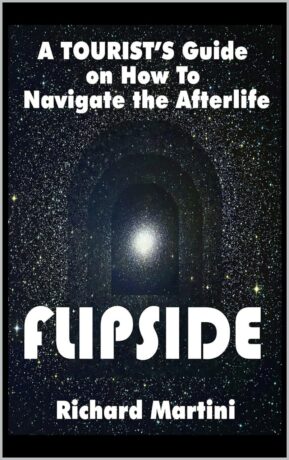
23.02.2024 “Flipside : A Tourist’s Guide on How to Navigate the Afterlife” by Richard Martini Magick Matters "What happens after we die? Author and award winning filmmaker Richard Martini explores startling new evidence for life after death, via the "life between lives", where we reportedly return to find our loved ones, soul mates and spiritual teachers. Based on the evidence of thousands of people who claim that under deep hypnosis, they saw and experienced the same basic things about the Afterlife, the book interviews hypnotherapists around the world trained in the method pioneered by Dr. Michael Newton, as well as examining actual between life sessions. The author agrees to go on the same journey himself, with startling and candid results, learning we are fully conscious between our various incarnations, and return...>> View
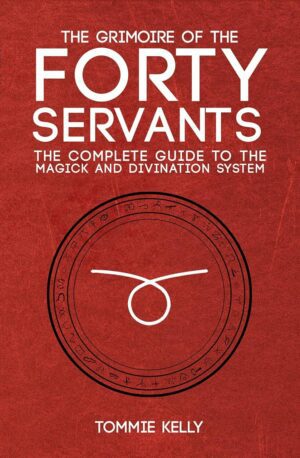
23.02.2024 “The Grimoire of The Forty Servants: The Complete Guide to the Magick and Divination System” by Tommie Kelly (2nd edition 2022) Magick Matters "Now revised and updated in a second edition The Grimoire Of The Forty Servants is everything you need to start working with this amazing Chaos Magick and Divination system. Contains all the information you will need for powerful rituals, Chaos Magick workings and oracle casting. The perfect companion to The Forty Servants deck (Just google The Forty Servants) or works as a standalone Magick system. This book contains all 40 Servant Full-Colour images, along with tables and charts. It also contains their Sigils, Prayers, Mantras and detailed descriptions of their use. Now also includes the images and details of The Four Devils!"...>> View