14.02.2021 “Develop Your ESP: A Quick and Easy Way to Become Psychic” by Nina Ashby Magick Matters "Have you ever heard the telephone ring and known who was calling before anyone spoke? Or had a gut feeling about someone or something that ultimately proved true? Most of us ignore experiences like these because we can see no physical basis for believing in our dormant psychic abilities. Call it intuition, a hunch, a feeling, or ESP, this elusive knowledge can provide information, motivation, or direction about various aspects of our lives. Nina Ashby, teaches readers: How to listen and be receptive to the inner messages received by your intuitive senses How to use techniques and exercises to develop and control your psychic abilities This is a program...>> View
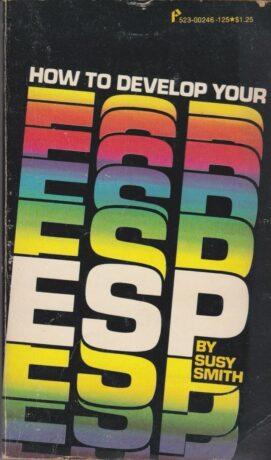
14.02.2021 “How To Develop Your ESP” by Susy Smith Magick Matters "Susy Smith wrote How to Develop Your ESP many years before she founded the Survival Research Foundation and also the Susy Smith Project at the Unviersity of Arizona which is now recognized as the center of Afterlife Codes research. It tells a lot more than just how to try to learn techniques of using telepathy, clairvoyance and precognition, for it also wants to help those who desire to learn to communicate with beloved friends and relatives who have passed on. Many aspects of the psychical field, such as healing, celebrity seances, psychic surgeons, possession, and physical phenomena are discussed here, with fascinating case histories throughout. Reading about how others have advanced their abilities, as...>> View
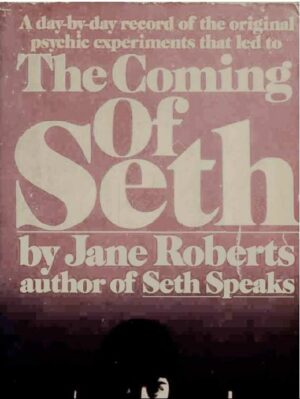
14.02.2021 “The Coming of Seth” aka “How to Develop your ESP Power” by Jane Roberts (retitled) Magick Matters "Describes experiences and techniques used in psychic exploration and mediumship with easy-to-follow experiments done by the author and adapted for the reader chapter by chapter including the Ouija Talking Board, dreams, and telepathy. There are quote excerpts from a small number of early Seth sessions."...>> View
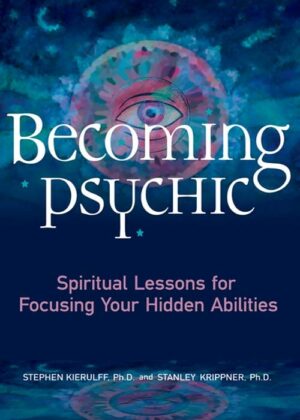
14.02.2021 “Becoming Psychic: Spiritual Lessons for Focusing Your Hidden Abilities” by Stephen Kierulff and Stanley Krippner Magick Matters "Becoming Psychic provides a lively dialogue between a clinical psychologist who believes that he has had a number of psychic (or "paranormal") experiences and a research psychologist and parapsychologist who attempts to put these reports in a scientific framework. The anecdotes make for fascinating reading and the scientific responses are relayed in a reader-friendly manner. Readers who have had similar experiences can begin to understand their own glimpses of future events, remarkable recoveries from major or minor illnesses, or knowledge of what is happening to a loved one hundreds of miles away."...>> View
14.02.2021 “The Art of Transforming Nightmares: Harness the Creative and Healing Power of Bad Dreams, Sleep Paralysis, and Recurring Nightmares” by Clare R. Johnson Magick Matters "Learn how to transform your nightmares into healing, creative, and spiritual gifts The Art of Transforming Nightmares is a friendly, hands-on guide to help you tap into the immensely rich gifts that bad dreams offer up when we work with them in healing ways. Dr. Clare Johnson, world-leading expert on lucid dreaming, shares her best practical tips for overcoming nightmares and a unique Nightmare Solution Quiz that identifies your personal sleeper-dreamer type so you can fast-track to the transformative techniques that work best for you. With over forty practices and fifteen tailor-made nightmare solution programs, this guidebook helps you set up your own unique program for transforming your dreamlife. It shares practical tools to reduce nightmare frequency,...>> View