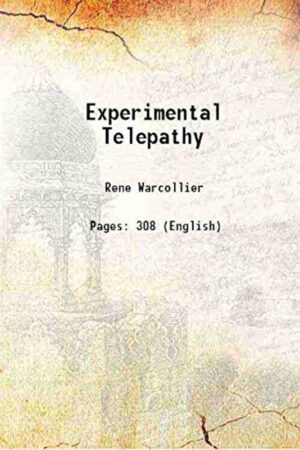
19.04.2021 “Experimental Telepathy” by Rene Warcollier Magick Matters "The experimental work of Rene Warcollier, a French chemical engineer, became known upon the publication of his La télépathie in 1921. This volume was the mature report and interpretation of telepathic experiments carried out by him over a fifteen-year period, and presents a meticulous account of some of the earliest research into the field of unconventional abilites of the human mind performed not from a perspective of occultism, as was usually the case, but by an established scientist. If you practice or follow Remote Viewing, this book will show you how incredibly far we've come."...>> View
18.04.2021 “Horror Needs No Passport: 20th Century Horror Fiction Outside the US and UK” by Jess Nevins Magick Matters "The first book to cover global horror fiction during the twentieth century, the decades in which the horror genre matured and came of age, HORROR NEEDS NO PASSPORT covers hundreds of authors and stories and novels from 72 countries. The great majority of these works have never been translated into English and are mentioned only slightly, if at all, in the standard horror genre reference books. Yet these stories and novels contain a wealth of high quality horror, whether written by Angolan authors or Uruguayan authors. It's a shame that nearly all of these horror stories and novels are unknown to readers in the United States and the United Kingdom, as they would enjoy...>> View
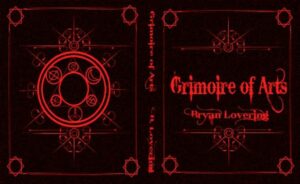
18.04.2021 “Grimoire of Arts” by Bryan Lovering Magick Matters "This collection of notes, spells, and rituals has been a work in progress for about 10 years in different forms. It comprises the basics for a system that is beginning to take shape in the authors understanding. Here we examine all the different systems and tools in their own sections, finding they work with the best efficacy under their own combinations. This is a tool for field work for the development of a unique system of sorcery. This book is a challenge to the reader. Written in stream of consciousness there is nothing easy about what it offers. Spells might only be spoken phrases, and fancy drawings on paper. Rituals might only be done once...>> View
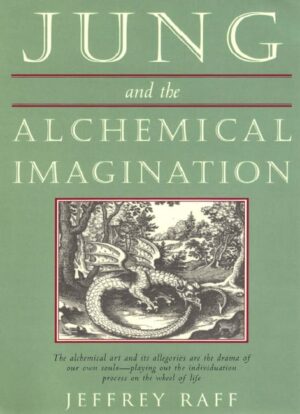
18.04.2021 “Jung and the Alchemical Imagination” by Jeffrey Raff Magick Matters "Jung and the Alchemical Imagination illustrates the spiritual nature of Jungian psychology and the debt it owes to the tradition of esoteric religion. Unlike other books on Jung and alchemy which contain a psychological interpretation of alchemical material, this work uses alchemy to understand the three cornerstones of Jungian spirituality—the self, the transcendent function, and active imagination. Through the interpretation of alchemical imagery, Raff explains the nature of these three concepts and illustrates how together they form a new model of contemporary Western spirituality. This book is also unique in selecting alchemical texts for analysis that are relatively unknown and which, for the most part, have never been interpreted. In addition, he presents two new...>> View
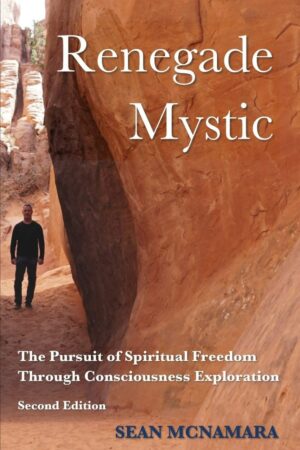
18.04.2021 “Renegade Mystic: The Pursuit of Spiritual Freedom Through Consciousness Exploration” by Sean McNamara (2nd edition) Magick Matters "This is the second edition, with added chapters (described at the bottom). Readers interested in out of body experiences, lucid dreaming, remote viewing, psychokinesis, energy healing, mediumship and contact with UFOs will gain tremendous insights and practice tips by reading this book. Paranormal researchers and parapsychologists will find ample anecdotes to enrich their fields of inquiry. The intersection of modern physics and ancient mysticism becomes apparent inside these pages. This is the spiritual memoir of Sean McNamara, meditation teacher and consciousness explorer. In this groundbreaking work, he reveals his core psychological drives and the events of his life which caused him to question everything and look into the deeper nature of reality. Follow him on...>> View