Skip to content
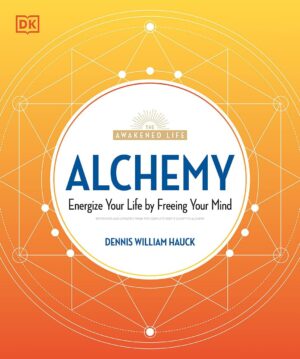
"The magic and mystery of the ancient craft revealed for a new, modern age. It's completely understandable if you're in the dark about alchemy. It has been practiced around the world and linked to various religious rites, scientific experiments, and of course, magic—a series of beliefs and disciplines that defy categorization and definition.
The Awakened Life: Alchemy demystifies this ancient art with an easy-to-understand overview of its history, philosophies, and practices.This new edition, published over a decade after the original, offers even more essential information and tools. In it, you'll find:
• The basic principles of alchemy—including the Three Essentials that are present in all things
• The alchemist's code—ciphers, signs,...>>
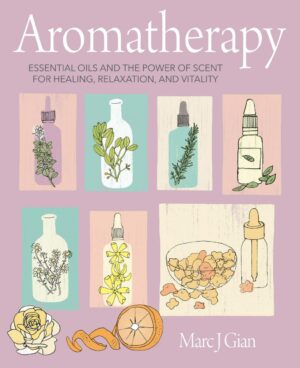
"Heal your body, mind, and spirit using the power of essential oils. Are you seeking a natural and holistic way to improve your mental, emotional, and physical well-being? And did you know that our sense of smell has the power to trigger and increase memory, change our mood, and boost our immune system? In Aromatherapy you will find the foundations for harnessing this power and self-healing with essential oils. Learn about oils such as peppermint, lavender, rose, eucalyptus, and many more. Find out how to apply essential oils on acupressure points for enhanced benefits and make an essential bath oil, scrub, spray, or steam inhalation, as well as simple massage techniques and compresses for...>>