Skip to content
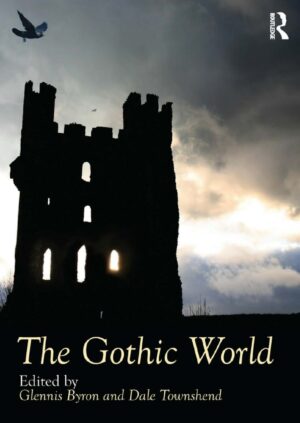
"The Gothic World offers an overview of this popular field whilst also extending critical debate in exciting new directions such as film, politics, fashion, architecture, fine art and cyberculture. Structured around the principles of time, space and practice, and including a detailed general introduction, the five sections look at:
Gothic Histories
Gothic Spaces
Gothic Readers and Writers
Gothic Spectacle
Contemporary Impulses.
The Gothic World seeks to account for the Gothic as a multi-faceted, multi-dimensional force, as a style, an aesthetic experience and a mode of cultural expression that traverses genres, forms, media, disciplines and national boundaries and creates, indeed, its...>>
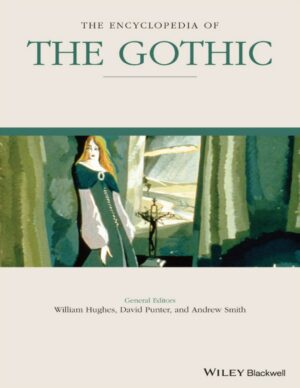
"Comprehensive and wide-ranging, The Encyclopedia of the Gothic brings together over 200 newly-commissioned essays by leading scholars writing on all aspects of the Gothic as it is currently taught and researched, along with challenging insights into the development of the genre and its impact on contemporary culture. The A-Z entries provide comprehensive coverage of relevant authors, national traditions, critical developments, and notable texts that continue to define, shape, and inform the genre. The volume’s approach is truly interdisciplinary, with essays by specialist international contributors whose expertise extends beyond Gothic literature to film, music, drama, art, and architecture.
From Angels and American Gothic to Wilde and Witchcraft, The Encyclopedia of the Gothic is the definitive reference...>>
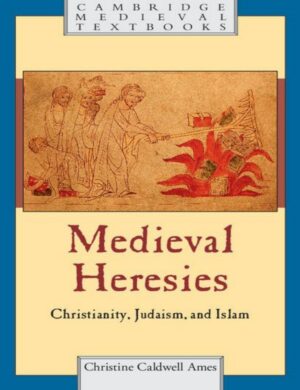
"Jews, Christians, and Muslims in the Middle Ages were divided in many ways. But one thing they shared in common was the fear that God was offended by wrong belief. Medieval Heresies: Christianity, Judaism, and Islam is the first comparative survey of heresy and its response throughout the medieval world. Spanning England to Persia, it examines heresy, error, and religious dissent — and efforts to end them through correction, persuasion, or punishment — among Latin Christians, Greek Christians, Jews, and Muslims. With a lively narrative that begins in the late fourth century and ends in the early sixteenth century, Medieval Heresies is an unprecedented history of how the three great monotheistic religions of the...>>