07.02.2022 “Unseen Forces: Nature Spirits, Thought Forms, Ghosts and Specters, The Dweller on the Threshold” by Manly P. Hall Magick Matters "This book by Canadian-born mystical writer Manly P. Hall comprises of a series of lectures on nature spirits, thought forms, ghosts and specters, the dweller on the threshold. This compilation was first published in 1924."...>> View
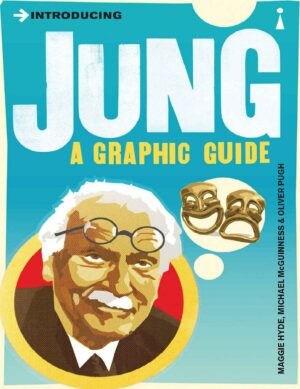
07.02.2022 “Introducing Jung: A Graphic Guide” by Maggie Hyde Magick Matters "Carl Gustav Jung was the enigmatic and controversial father of analytical psychology. This updated edition of Introducing Jung brilliantly explains the theories that underpin Jung’s work, delves into the controversies that led him to break away from Freud and describes his near psychotic breakdown, from which he emerged with radical new insights into the nature of the unconscious mind — and which were published for the first time in 2009 in The Red Book. Step by step, Maggie Hyde demonstrates how it was entirely logical for him to explore the psychology of religion, alchemy, astrology, the I Ching and other phenomena rejected by science in his investigation of his patients’ dreams, fantasies and psychic disturbances."...>> View
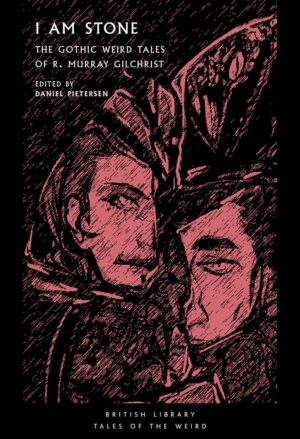
07.02.2022 “I Am Stone: The Gothic Weird Tales of R. Murray Gilchrist” by R. Murray Gilchrist (British Library Tales of the Weird) Magick Matters "Through odysseys across dreamlike lands, Gothic love affairs haunted by the shadow of death and uncanny episodes from the Peak country, the portrait of a unique writer of the strange tale emerges. With his florid, illustrative style and powerful imagination, R. Murray Gilchrist’s impact on the weird fiction genre is unmistakable — and yet his name fell into obscurity following his death. Exploring tales of annihilation and shattered identities, fatalistic romances, bewildering visions of the sublime and mythological evils preying on the innocent, this new anthology is a journey through an entrancing and influential oeuvre essential for any reader of the weird."...>> View
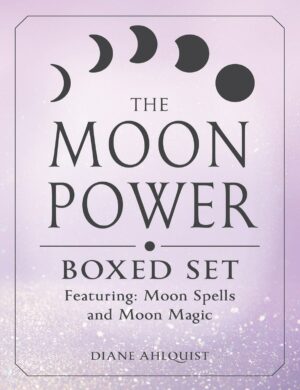
07.02.2022 “The Moon Power Boxed Set: Moon Spells and Moon Magic” by Diane Ahlquist Magick Matters "Harness the moon’s magical powers in your everyday life with The Moon Power Boxed Set from lunar energy expert Diane Ahlquist. Tap into the hidden power of the moon with The Moon Power Boxed Set, featuring two enchanting books that will teach you how to harness the moon’s mystical energies in your everyday life. This collection includes: Moon Spells: Diane Ahlquist guides you on your journey of attuning your spirit with the moon’s energy, offering spells that can be conducted at exactly the right lunar moment to enhance the flow of power and make wishes come true. Moon Magic: Learn how the lunar phases influence our emotions and well-being differently and how to harness that power for...>> View
07.02.2022 “Vodou: Visions and Voices of Haiti” by Phyllis Galembo Magick Matters "Eighty-plus brilliant color photographs are accompanied by captions and essays from experts of Voodoo, or VODOU, the dazzlingly symbolic spiritual tradition. Photographer Phyllis Galembo shows us the human and divine faces and voices of real Haitian Vodou in a beautiful, personal, and intimate document of a fascinating and deeply misunderstood religion.Reissued with a new cover to coincide with the author’s one-person show at the Albany Institute of History and Art in New York. A groundbreaking collection that was before its time. As alternative religions such as Wicca gain in popularity, less understood traditions such as vodou are garnering more attention. Captions and essays from experts in the field accompany brilliant photographs documenting the vodou religious...>> View