23.06.2022 “Calm Breath, Calm Mind: A Guide to the Healing Power of Breath” by Geshe YongDong Losar Magick Matters "Discover ancient Tibetan breath practices for calming your mind and improving your health in this plain-English guide. Over millennia, many Eastern traditions have developed practices that use the powerful healing energy of breath to treat physical, emotional, and mental problems. In Chinese, this energy is called chi; in Sanskrit it is called prana; and in Tibetan it is called lung. Lung is life-giving energy that moves through our bodies. A lack or imbalance of lung can create illnesses of body and mind or cause emotional struggles such as confusion, anger, and sadness. In this book, Geshe YongDong Losar, a scholar and monk in the ancient Bön tradition of Tibet, guides us through time-tested practices to...>> View
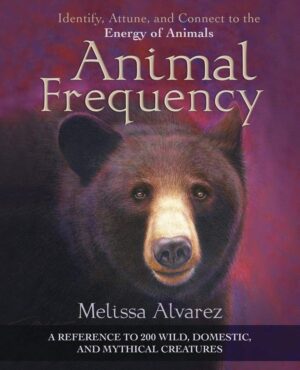
23.06.2022 “Animal Frequency: Identify, Attune, and Connect to the Energy of Animals” by Melissa Alvarez Magick Matters "Discover the energetic power of animals and how to connect with their frequencies in order to grow spiritually. This easy-to-use, A to Z reference guide contains encyclopedic listings for nearly two hundred animals―wild, domestic, and mythical―and easy techniques and visualizations for building relationships with them, including energetically bonding with your pets. All animals possess a distinctive energy vibration that can connect with yours, allowing you to communicate with them and understand their role in your spiritual development."...>> View
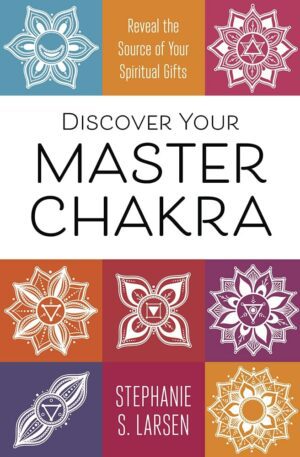
22.06.2022 “Discover Your Master Chakra: Reveal the Source of Your Spiritual Gifts” by Stephanie S. Larsen Magick Matters "You were born on a ray of light, born into a life purpose that lets you manage one chakra more than the rest, to create a dominant vibration within and without yourself. That is your master chakra, and it defines who you are and how you interact with others. Discover Your Master Chakra guides you in using your main chakra to achieve greater love, harmony with self and others, and fulfillment in life. Designed for beginners and beyond, this insightful book helps you: Find out what your master chakra is through a simple quiz Learn about the seven soul-ray colors and which one corresponds to your master chakra ...>> View
22.06.2022 “Cunning-Folk and Familiar Spirits: Shamanistic Visionary Traditions in Early Modern British Witchcraft and Magic” by Emma Wilby Magick Matters "In the hundreds of confessions relating to witchcraft and sorcery trials from early modern Britain we frequently find detailed descriptions of intimate working relationships between popular magical practitioners and familiar spirits of either human or animal form. Until recently historians often dismissed these descriptions as elaborate fictions created by judicial interrogators eager to find evidence of stereotypical pacts with the Devil. Although this paradigm is now routinely questioned, and most historians acknowledge that there was a folkloric component to familiar lore in the period, these beliefs and the experiences reportedly associated with them, remain substantially unexamined. Cunning-Folk and Familiar Spirits examines the folkloric roots of familiar lore from historical, anthropological and comparative religious perspectives....>> View
22.06.2022 “Astral High Magic: De Imaginibus of Thabit Ibn Qurra” translated by John Michael Greer Magick Matters "De Imaginibus, "On Images" is, after Picatrix, the most important text for medieval and Renaissance astrological magic. De Imaginibus represents the height of astrological magic technique and goes far beyond merely planetary talismans in using the full range of traditional astrological technique developed by the sophisticated Harranian Sabians. De Imaginibus explains how to create house based talismans, how to use horary questions to forecast and anchor talismans and how to tune talismans to individual natal charts. The translator, John Michael Greer, is a noted Latinist and esoteric author. He is the co-translator of the Complete Picatrix. This translation was made from Francis Carmody's Latin critical edition of the astronomical works of Thabit Ibn Qurra...>> View