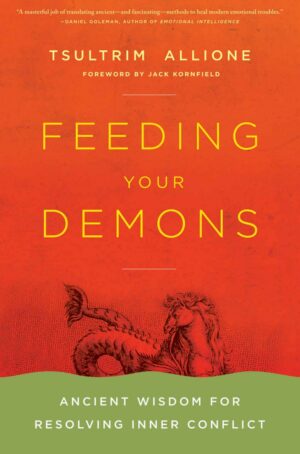
29.12.2020 “Feeding Your Demons: Ancient Wisdom for Resolving Inner Conflict” by Tsultrim Allione Magick Matters "Allione -- one of only a few female Buddhist leaders in this country and comparable in American religious life to Pema Chodron -- bridges this ancient Eastern practice with today's Western psyche. She explains that if we fight our demons, they only grow stronger. But if we feed them, nurture them, we can free ourselves from the battle. Through the clearly articulated practice outlined in Feeding Your Demons, we can learn to overcome any obstacle and achieve freedom and inner peace."...>> View
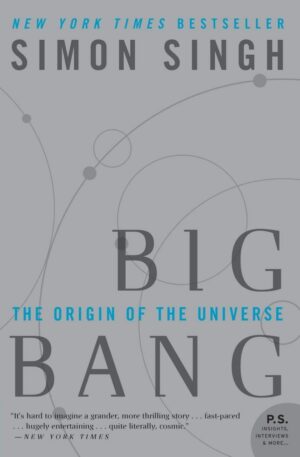
28.12.2020 “Big Bang: The Most Important Scientific Discovery of All Time and Why You Need to Know About It” by Simon Singh Magick Matters "Albert Einstein once said: ‘The most incomprehensible thing about the universe is that it is comprehensible.’ Simon Singh believes geniuses like Einstein are not the only people able to grasp the physics that govern the universe. We all can. As well as explaining what the Big Bang theory actually is and why cosmologists believe it is an accurate description of the origins of the universe, this book is also the fascinating story of the scientists who fought against the established idea of an eternal and unchanging universe. Simon Singh, renowned for making difficult ideas much less daunting than they first seem, is the perfect guide for this journey. Everybody has heard of the Big Bang Theory....>> View
28.12.2020 “Sleep Paralysis: A Guide to Hypnagogic Visions and Visitors of the Night” by Ryan Hurd (2nd edition) Magick Matters "Sleep paralysis feels like being awake and aware in bed as someone—or something—holds you down. In this revised and updated 2nd edition of his classic Sleep Paralysis, Ryan Hurd honors these frightening hallucinations afresh from the perspective of contemporary dream science. Experienced by millions as supernatural assault, sleep paralysis (SP) often includes realistic, and often frightening, hallucinations that are projected into the waking world. In Sleep Paralysis: A Guide to Hypnagogic Visions and Visitors of the Night, these night visitations of ghosts, vampires-and even aliens-are honored afresh from the perspective of contemporary dream science. Although they can be terrifying, these visions can also be a reliable portal to other extraordinary states, including lucid dreaming, out-of-body...>> View
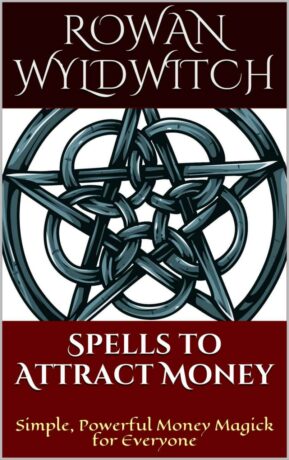
28.12.2020 “Spells to Attract Money: Simple, Powerful Money Magick for Everyone” by Rowan Wyldwitch Magick Matters "Simple yet powerful, Spells To Attract Money is a practical guide to attracting money with Magick. A practising witch with over 30 years experience, Rowan Wyldwitch reveals the secrets that anyone can use to bring prosperity and abundance into their lives. You will learn: How to use magick responsibly to improve your finances. 11 very powerful Spells which can change your financial luck, banish debt and rescue your business. Recipes for money drawing oil, fast luck oil, abundance oil and money drawing incense. Suitable for beginners and experienced practitioners, Rowan's spells are simple yet effective and use common household objects and easy to find ingredients. "...>> View
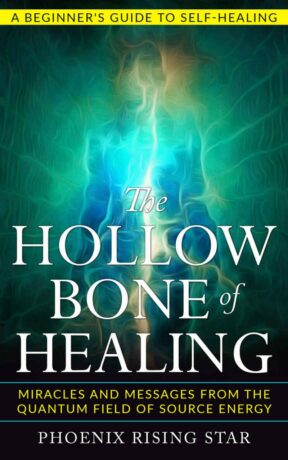
28.12.2020 “The Hollow Bone of Healing: Miracles and Messages from the Quantum Field of Source Energy” by Phoenix Rising Star Magick Matters "Do you suffer from stored tension and trauma? Have you lost sight of your true purpose? Do traditional healthcare practices leave you stiff and unaffected? As founder of The Healing Angel Protocol™, consciousness-therapy expert Phoenix Rising Star has twenty years of experience mending the body’s damage, both inside and out. Now she’s here to teach you how to enrich your existence and live a more peaceful life. The Hollow Bone of Healing: Miracles and Messages from the Quantum Field of Source Energy is a perceptive approach to recognizing your natural communicative vitality. Between translating information from your anatomy and practicing the book’s guided meditation, Rising Star’s revolutionary techniques will coach you how to gently release...>> View