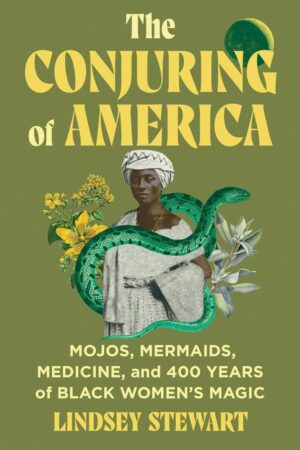
29.07.2025 “The Conjuring of America: Mojos, Mermaids, Medicine, and 400 Years of Black Women’s Magic” by Lindsey Stewart Magick Matters 🕵️🐷🕵️ zero-day🕵️🐷🕵️ "A crucial telling of U.S. history centering the Black women whose magic gave rise to the rich tapestry of American culture we see today—from Vicks VapoRub and Aunt Jemima’s pancake mix, to the magic of Disney’s The Little Mermaid (2023), and the all-American blue jean. Emerging first on plantations in the American South, enslaved conjure women used their magic to treat illnesses. These women combined their ancestral spiritual beliefs from West Africa with local herbal rituals and therapeutic remedies to create conjure, forging a secret well of health and power hidden to their oppressors and many of the modern-day staples we still enjoy. In The Conjuring of America, Black feminist philosopher Lindsey Stewart exposes...>> View
28.07.2025 “The Charmer’s Root: Witching Ways with Common Flora” by Roger Horne Magick Matters "A unique course of study in the folkloric witching ways of common plants, The Charmer's Root weaves together historic folk-magical knowledge with modern animist techniques, recipes, and rituals that any practitioner can master using the wild and ubiquitous flora of North America and the British Isles. Reach into the roots of the herbal charming arts, and learn how to: Craft legendary herbal preparations using easy-to-follow recipes, including the lesser-known formulae of inks, salts, flower and leaf essences, plant spirit waters, and the "plant-veiled stone" Practice safe methods for working with the magics of even dangerous or poisonous plants Develop your own approaches to ritual and...>> View
27.07.2025 “The Hidden Path: A Guide For The Closet Witch: Embracing Your Power in Silence and Strength” by Willow Peartree Magick Matters "In a world that often demands visibility, The Hidden Path: A Guide for the Closet Witch invites you to embrace the profound magic that resides in quietude and secrecy. This illuminating guide reassures you that the essence of being a witch is not dependent on public acknowledgment or elaborate displays of power. Instead, it celebrates the unique journey of those who explore the path of witchcraft in silence and solitude. From the very first page, you’ll come to understand that being a closet witch is not a diminished experience; it is a powerful choice, steeped in ancient wisdom and personal strength. This book delves into the rich tradition of mystics and wise women who practiced...>> View
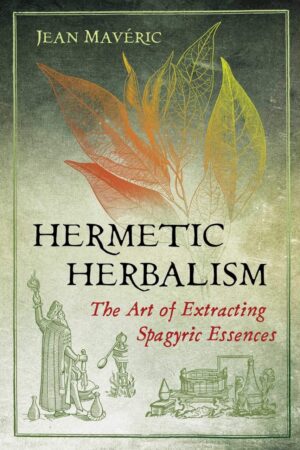
26.07.2025 “Hermetic Herbalism: The Art of Extracting Spagyric Essences” by Jean Mavéric Magick Matters "A never-before-translated occult classic that brings the science of herbal medicine back to its Hermetic roots • Includes a large collection of recipes for spagyric medicines and quintessences, with detailed step-by-step instructions, adapted from celebrated spagyrists such as Paracelsus, Pseudo-Lull, Philipp Ulstad, and Nicaise Le Fèvre • Provides botanical and medicinal classifications of over 600 plant species along with their astral natures, elemental qualities, and planetary and zodiacal signatures • Explores advanced methods and techniques and shares the author’s secret formula for a universal circulatum First published in French in 1911, this practical guide to the art of spagyrics begins by outlining the ancient yet often forgotten Hermetic foundations of herbalism. Author...>> View
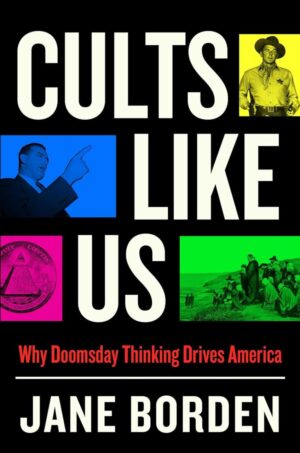
25.07.2025 “Cults Like Us: Why Doomsday Thinking Drives America” by Jane Borden Magick Matters "An "engrossing, unputdownable" (Amanda Montell, New York Times bestselling author) pop history that explains why the eccentric doomsday beliefs of our Puritan founders are still driving American culture today, contextualizes the current rise in far-right extremism as a natural result of our latent indoctrination, and proposes that the United States is the largest cult of all. Since the Mayflower sidled up to Plymouth Rock, cult ideology has been ingrained in the DNA of the United States. In this eye-opening book, journalist Jane Borden argues that Puritan doomsday belief never went away; it went secular and became American culture. From our fascination with cowboys and superheroes to our allegiance to influencers and self-help, susceptibility to advertising,...>> View