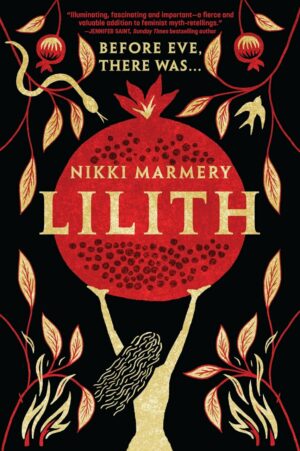
22.12.2023 “Lilith: A Novel” by Nikki Marmery Magick Matters "Before Eve, there was Lilith. Lilith and Adam are equal and happy in the Garden of Eden. Until Adam decides Lilith should submit to his will and lie beneath him. She refuses—and is banished forever from Paradise. Demonized and sidelined, Lilith watches in fury as God creates Eve, the woman who accepts her submission. But Lilith has a secret: she has already tasted the fruit of the Tree of Knowledge. Endowed with Wisdom, she knows why Asherah—God’s wife and equal, the Queen of Heaven—is missing. Lilith has a plan: she will rescue Eve, find Asherah, restore balance to the world, and regain her rightful place in Paradise. Lilith’s quest for justice drives her throughout history, from...>> View
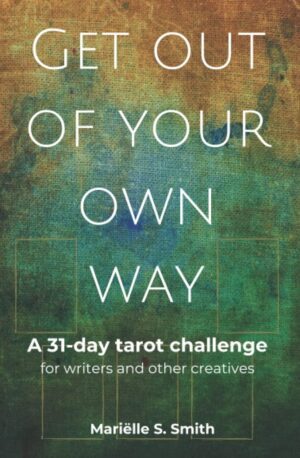
22.12.2023 “Get Out of Your Own Way: A 31-Day Tarot Challenge for Writers and Other Creatives” by Mariëlle S. Smith Magick Matters "Get out of your own way and (re)connect to your intuition! Get Out of Your Own Way: A 31-Day Tarot Challenge for Writers and Other Creatives is the perfect tool to understand your creative process, and to help you tune in to your soul’s calling. Get Out of Your Own Way walks you through thirty-one days of questions that will help you unravel: Your fears and desires around creativity Your creative strengths Your creative weaknesses, and how to transform these into strengths How to become more accountable Your limiting beliefs on creativity, and how to let them go Mariëlle S. Smith is...>> View
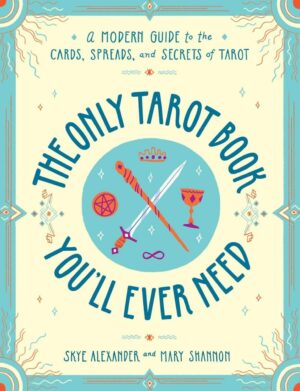
22.12.2023 “The Only Tarot Book You’ll Ever Need: A Modern Guide to the Cards, Spreads, and Secrets of Tarot” by Skye Alexander and Mary Shannon Magick Matters "This lovely, full-color guide to tarot provides everything you need to know to read tarot—whether it’s a traditional reading, or a reading for self-reflection or self-discovery. Not long ago, getting your cards read would have conjured images of a mystic shrouded in scarves with a crystal ball, waving her hands over a spread of cards. Today, a tarot reading is as common as going to yoga or texting a friend. It’s the new way to seek guidance—whether that’s relationship advice or what outfit to wear today. With the help of this beautifully illustrated guide, you’ll be able to harness this skill to read your own future in tarot cards. Filled with custom card images and easy-to-understand...>> View
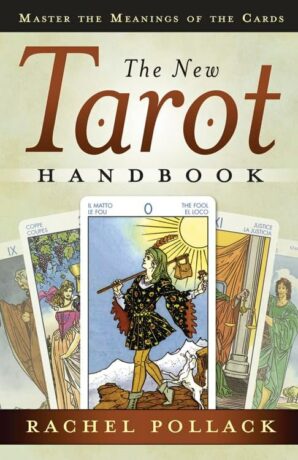
22.12.2023 “The New Tarot Handbook: Master the Meanings of the Cards” by Rachel Pollack Magick Matters "Renowned author Rachel Pollack has spent more than forty years studying and practicing Tarot. This insightful guide distills her vast knowledge and offers a direct, accessible approach to mastering the cards. This book will teach you the meanings of the cards and enable you to begin doing compelling readings right away. More seasoned readers will find that this basic reference has a richness and depth that will call you back again and again to discover your own truth within the cards. Find new descriptions and divinatory meanings with a modern twist Learn not only what each card signifies, but how to discover what it means to you ...>> View
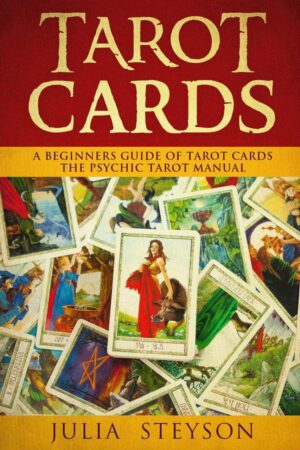
22.12.2023 “Tarot Cards: A Beginners Guide of Tarot Cards” by Julia Steyson Magick Matters "The book is full of images which makes it easier to understand. Whether you are a beginner or are more advanced when it comes to tarot card, this book will break it down for you in a simple way and you will be able to read tarot cards! "...>> View