Skip to content
Magick Matters
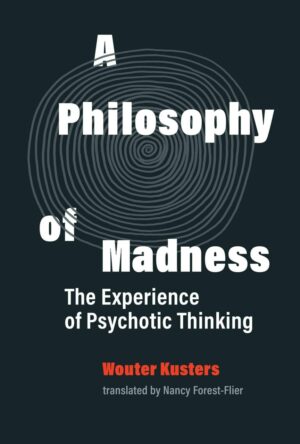
"In this book, philosopher and linguist Wouter Kusters examines the philosophy of psychosis—and the psychosis of philosophy. By analyzing the experience of psychosis in philosophical terms, Kusters not only emancipates the experience of the psychotic from medical classification, he also emancipates the philosopher from the narrowness of textbooks and academia, allowing philosophers to engage in real-life praxis, philosophy in vivo. Philosophy and madness—Kusters's preferred, non-medicalized term—coexist, one mirroring the other.
Kusters draws on his own experience of madness—two episodes of psychosis, twenty years apart—as well as other first-person narratives of psychosis. Speculating about the maddening effect of certain words and thought, he argues, and demonstrates, that the steady flow of philosophical deliberation may sweep ...>>
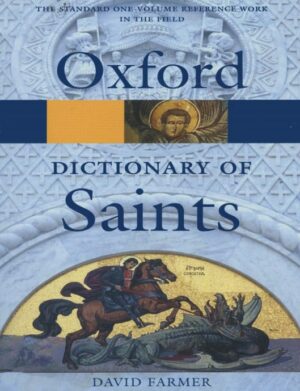
"Far more than a dry hagiographical account of the lives of saints, this entertaining and authoritative dictionary breathes life into its subjects and is as browsable as it is informative.
First published in 1978, the Oxford Dictionary of Saints offers more than 1,700 fascinating and informative entries covering the lives, cults, and artistic associations of saints from around the world, from the famous to the obscure, the rich to the poor, and the academic to the uneducated. From all walks of life and from all periods of history and from around the world, the wide varieties of personalities and achievements of the canonized are reflected. An updated introduction explains the steps towards becoming a saint, ...>>
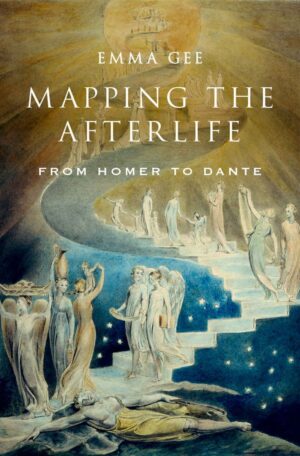
"There are very few accounts of the afterlife across the period from Homer to Dante. Most traditional studies approach the classical afterlife from the point of view of its "evolution" towards the Christian afterlife. This book tries to do something different: to explore afterlife narratives in spatial terms and to situate this tradition within the ambit of a fundamental need in human psychology for the synthesis of soul (or "self") and universe.
Drawing on the works of Homer, Plato, Cicero, Virgil, and Dante, among others, as well as on modern works on psychology, cartography, and music theory, Mapping the Afterlife argues that the topography of the afterlife in the Greek and Roman tradition, and in ...>>