Skip to content
Magick Matters
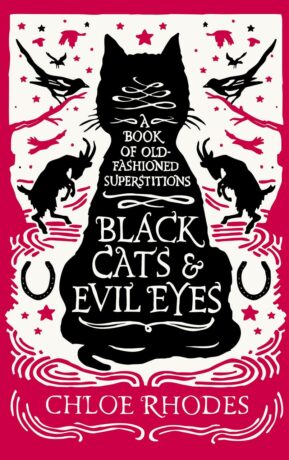
"Hundreds of beliefs passed down through the generations have their foundations in our ancestors' efforts to ward off evil, which they blamed for hardship, illness, and injustice in times when life was, as often as not, "nasty, brutish and short." Black Cats & Evil Eyes sets these superstitions in their historical and social context, explaining how fear of the Devil, demons, evil spirits, and witchcraft drove people to arm themselves with rituals and talismans to repel dark forces and allow them to live long and healthy lives. In examining many of our common superstitions, this book illuminates the customs, beliefs, and practices that link us to an ancient, and often darker, human past."...>>
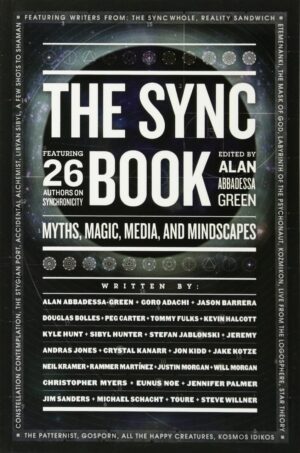
"26 bloggers/writers/artists share their experiences and perspectives on the strange and beautiful universe in which we live.
Featuring writers from: The Sync Whole, Reality Sandwich, Etemenanki, The Mask of God, Labyrinth of the Psychonaut, The Stygian Port, Live From The Logosphere, Star Theory, The Patternist, Gosporn, All The Happy Creatures, Kosmos Idikos, Radio8Ball, Constellation Contemplation, Kozmikon, Accidental Alchemist, Libyan Sibyl, A Few Shots To Shaman, Mercury's Messenger, Synchromysticism Forum
Alan Abbadessa-Green + Goro Adachi + Jason Barrera + Douglas Bolles + Peg Carter + Tommy Fulks + Kevin Halcott + Kyle Hunt + Sibyl Hunter + Stefan Jablonski + Jeremy + Andras Jones + Crystal Kanarr + Jon Kidd + Jake Kotze + Neil Kramer ...>>
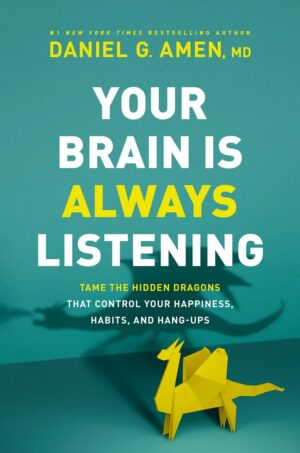
"Your brain is always listening and responding to these hidden influences and unless you recognize and deal with them, they can steal your happiness, spoil your relationships, and sabotage your health. This book will teach you to tame the:
1. Dragons from the Past that ignite your most painful emotions;
2. Negative Thought Dragons that attack you, fueling anxiety and depression;
3. They and Them Dragons, people in your life whose own dragons do battle with yours;
4. Bad Habit Dragons that increase the chances you’ll be overweight, overwhelmed, and an underachiever;
5. Addicted Dragons that make you lose control of your health, wealth, and relationships;
6. Scheming Dragons, advertisers and social media sites that ...>>