Skip to content
Magick Matters
🕵️🐷🕵️ zero-day🕵️🐷🕵️
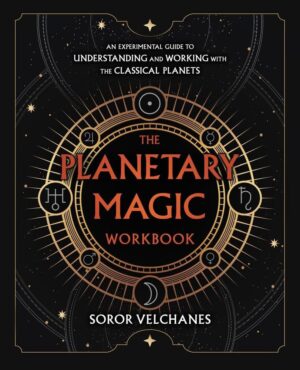
"This pragmatic workbook offers a complete course in planetary magic and provides a solid foundation for future independent work.
Throughout history, individuals from diverse backgrounds and preparations have harnessed the planetary forces for spiritual enrichment, life balance, practical magic, and more. Though many paradigms developed valuable models, this book will focus primarily on understanding and working with the classical planets from Greco-Roman and Hermetic perspectives, but with a chaos magic twist.
During your studies, you will:
• Become well-versed in key planetary magic concepts and principles
• Explore the nature of each planet and how it impacts your life
• Use journal prompts, guided meditations, attunements, and evocations to harness planetary power
...>>
🕵️🐷🕵️ zero-day🕵️🐷🕵️
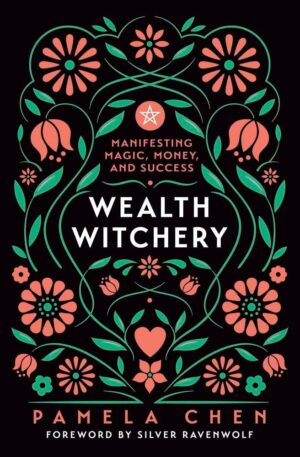
"Manifest the Rich Witch Life of Your Dreams
Wealth Witchery teaches you how to tap into your inner magic to influence the flow of money, regardless of your current circumstances or past experiences. Through success stories and her five-step Richcraft Manifestation System, Pamela Chen encourages you to transform money energy.
Pamela offers thirteen spells and thirteen "richuals" to welcome the vibration of wealth into your life. Focus your magic on your goals with spiritual and energetic tools, such as oils, herbs, tarot cards, crystals, and moon phases. Create an abundance altar, prosperity dream board, and Wealth Journal. With simple daily and weekly practices, Wealth Witchery offers the magical boost every go-getter needs to live their...>>
🕵️🐷🕵️ zero-day🕵️🐷🕵️
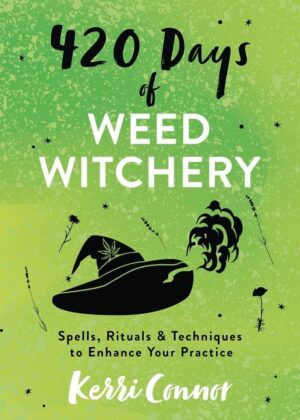
"420 Spells, Rituals, and Techniques to Take Your High to New Heights
Presenting daily entries as well as entries for each sabbat, moon phase, and solar event, Kerri Connor helps you embrace your full power through cannabis.
Each month includes easy-to-do prompts for enriching your practice, catering to your preferred method of cannabis consumption. Explore chants, simmer pot recipes, shadow work exercises, meditations, and more. Stock your witch's cupboard with recommendations for plant essences and recipes for smokable blends, herbal beverages, and bong water infusions.
These heady, thought-provoking practices will help you connect with powerful plant, animal, environmental, elemental, and astrological energies, enhancing both your daily life and spiritual journey."...>>
🕵️🐷🕵️ zero-day🕵️🐷🕵️
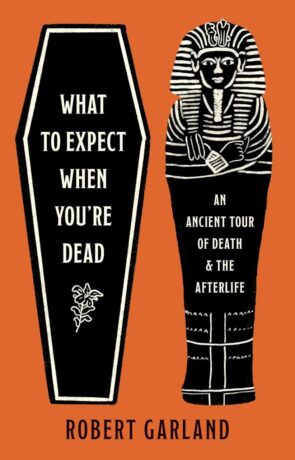
"An entertaining and enlightening book about how ancient peoples dealt with death—and what we might learn from them
A lively story of death, What to Expect When You’re Dead explores the fascinating death-related beliefs and practices of a wide range of ancient cultures and traditions—Mesopotamian, Egyptian, Hindu, Jewish, Zoroastrian, Etruscan, Greek, Roman, Early Christian, and Islamic. By drawing on the latest scholarship on ancient archaeology, art, literature, and funerary inscriptions, Robert Garland invites readers to put themselves in the sandals of ancient peoples and to imagine their mental state moment by moment as they sought—in ways that turn out to be remarkably similar to ours—to assist the dead on their journey to the next...>>