Skip to content
Magick Matters
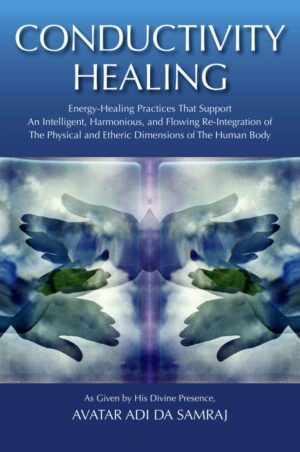
"In this remarkable book, the fully awakened Spiritual Realizer Avatar Adi Da Samraj offers unique wisdom and practical guidance for understanding and engaging in energy healing. The book presents a series of simple practices that guide you in feeling, breathing, and circulating the "etheric" energy that surrounds and pervades the body-mind, thereby enhancing well-being in yourself and others. The many practices presented in this book include: a form of the laying on of hands, yogic "conductivity" massage, right breathing, yogic bodily "locks", polarity screens, pranayama, the hamsadanda (meditation stick), twirling, water immersion, and tensing-and-relaxing. But although specific practices are recommended and described, Conductivity Healing does not offer a so-called cure for any presumed illness....>>
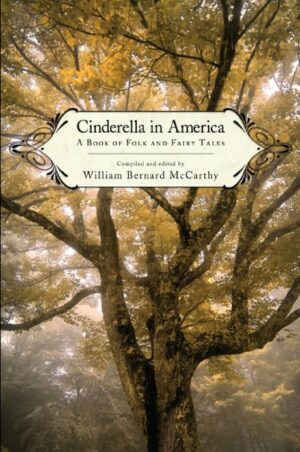
"For years many folklorists have denied the possibility of a truly American folk or fairy tale. They have argued that the tales found in the United States are watered-down derivatives of European fare. With this gathering, William Bernard McCarthy compiles evidence strongly to the contrary.
Cinderella in America: A Book of Folk and Fairy Tales represents these tales as they have been told in the United States from Revolutionary days until the present. To capture this richness, tales are grouped in chapters that represent regional and ethnic groups, including Iberian, French, German, British, Irish, other European, African American, and Native American. These tales are drawn from published collections, journals, and archives, and from fieldwork by...>>
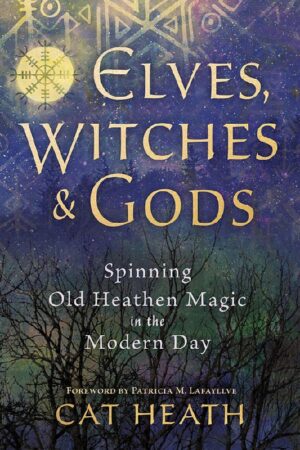
"Journey into the fascinating depths of Heathenry with this tremendous source of history, inspiration, and practical information. Based on decades of research and experimentation, Elves, Witches & Gods provides explanations and hands-on techniques for galdr, seidr, fiber magic, herb craft, journeying, going under the cloak, and connecting with deities and elves.
Working with authentic source material, Cat Heath has carefully pieced together and recreated Heathen magic techniques, and she shares the theories, skills, and tools you need to begin or deepen your own practice. This book introduces you to deities such as the Spinning Goddess, the Spear God, Odin, and Ingvi-Freyr. You will discover recipes, spells, and prayers, as well as learn how to work...>>