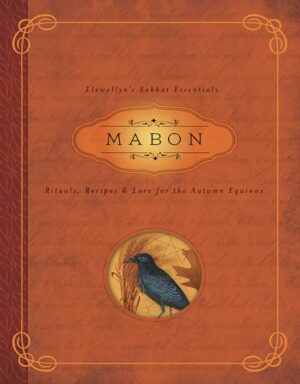
07.08.2021 “Mabon: Rituals, Recipes & Lore for the Autumn Equinox” by DIana Rajchel Magick Matters "A thanksgiving celebration for the second harvest, Mabon―also known as the Autumn Equinox―is a time to honor the spiritual significance of harvest, sacrifice, and survival. This guide shows you how to perform rituals and work magic that incorporates the shifting balance between light and dark that reaches its pinnacle during the equinox. Rituals Recipes Lore Spells Divination Crafts Correspondences Invocations Prayers Meditations Llewellyn's Sabbat Essentials explore the old and new ways of celebrating the seasonal rites that are the cornerstones of the witch's year."...>> View
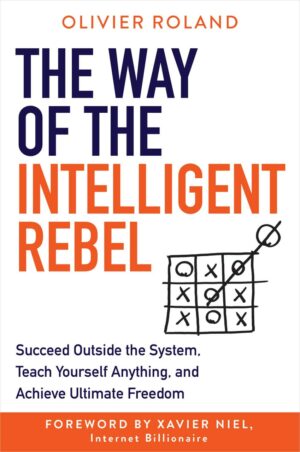
07.08.2021 “The Way of the Intelligent Rebel: Succeed Outside the System, Teach Yourself Anything, and Achieve Ultimate Freedom” by Olivier Roland Magick Matters "Olivier Roland offers an inspiring road map to help readers get more out of life as an 'Intelligent Rebel' and find success and fulfilment by breaking out of the system. Do you dream of a less stressful life? Join the Intelligent Rebels and discover how to achieve success in business AND create freedom to live life to the full. Perhaps you're stuck in the commute-work-sleep cycle and want to get more out of life. Or you feel as though your life is missing something. Olivier Roland can help. He guides you on the pathway to identifying, embracing and sharing your ultimate purpose - your 'raison d'être'. The Way of the Intelligent Rebel will encourage you to think...>> View
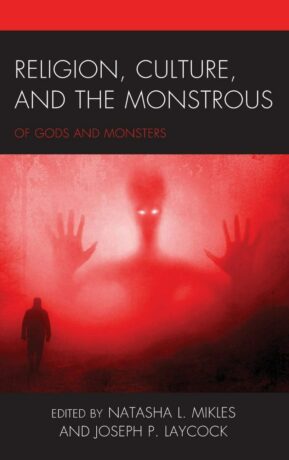
07.08.2021 “Religion, Culture, and the Monstrous: Of Gods and Monsters” edited by Natasha L. Mikles et al Magick Matters "Religion, Culture, and the Monstrous: Of Gods and Monsters explores the intersection of the emerging field of “monster theory” within religious studies. With case studies from ancient Mesopotamia to contemporary valleys of the Himalayas to ghost tours in Savannah, Georgia, the volume examines the variegated nature of the monstrous as well as the cultural functions of monsters in shaping how we see the world and ourselves. In this, the authors constructively assess the state of the two fields of monster theory and religious studies, and propose new directions in how these fields can inform each other. The case studies included illuminate the ways in which monsters reinforce the categories through which a given culture...>> View
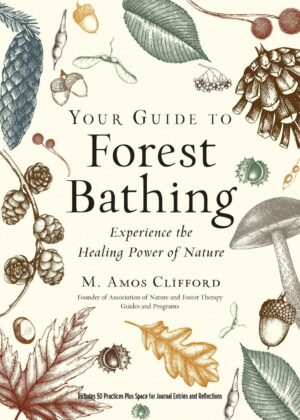
07.08.2021 “Your Guide to Forest Bathing: Experience the Healing Power of Nature” by M. Amos Clifford (expanded edition) Magick Matters "The bestselling guide to forest bathing with a new section of hands-on forest bathing practices and space for journal entries and reflections. Simply being present in the natural world, with all of our senses fully alive, can have a remarkably healing effect. It can also awaken in us our latent but profound connection with all living things. This is “forest bathing,” a practice inspired by the Japanese tradition of shinrin-yoku. It is a gentle, meditative approach to being with nature and an antidote to our nature-starved lives that can heal our relationship with the more-than-human world. In Your Guide to Forest Bathing, you'll discover a path that you can use to begin a practice of your...>> View
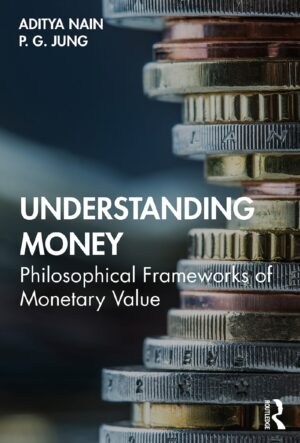
06.08.2021 “Understanding Money: Philosophical Frameworks of Monetary Value” by Aditya Nain and P.G. Jung Magick Matters "This book offers a novel understanding of money by moving away from the dominant lens of economics through which it is usually seen. In contrast to the economic frameworks of "money", the volume examines philosophical discourses on money through conceptual frameworks that explain how monetary value manifests in various empirical monetary systems. It showcases how the increasingly abstract nature of the objects that stand proxy for money could be conceptualized ontologically, highlighting the predominance of digital money today, as well as contemporary monetary innovations such as cryptocurrencies like Bitcoin. Provocative, yet grounded in a sound theoretical framework, this book will be of interest to scholars, students, and teachers interested in money or monetary value, across various...>> View