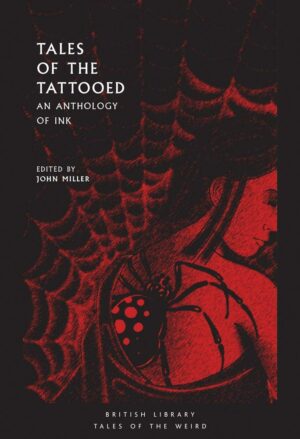
07.02.2022 “Tales of the Tattooed: An Anthology of Ink” edited by John Miller (British Library Tales of the Weird) Magick Matters "The excruciating beauty, exoticism and mystery of tattoos is laid bare in this original selection of atmospheric short stories; thirteen ink-soaked tales tracing depictions of the tattoo art form from late-Victorian sensationalism and taboo to twentieth-century encounters with the sublime and the sinister. With classics of the genre such as Tanizaki’s The Tattooer and Roald Dahl’s Skin alongside rare pieces reprinted for the first time since their first publication, this exploration of the tattoo in classic fiction is guaranteed to leave an indelible impression."...>> View
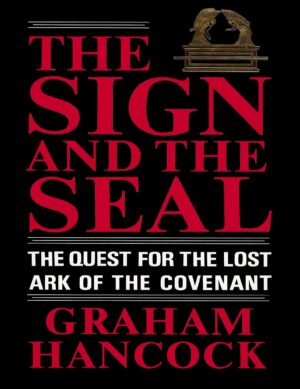
06.02.2022 “The Sign And The Seal: Quest for the Lost Ark of the Covenant” by Graham Hancock Magick Matters "The fact of the Lost Ark of the Covenant is one of the grant historical mysteries of all time. To believers, the Ark is the legendary vessel holding the stone tablets of the Ten Commandments. The Bible contains hundreds of references to the Ark's power to level mountains, destroy armies, and lay waste to cities. The Ark itself, however, mysteriously disappears from recorded history sometime after the building of the Temple of Solomon. After ten years of searching through the dusty archives of Europe and the Middle East, as well as braving the real-life dangers of a bloody civil war in Ethiopia, Graham Hancock has succeeded where scores of others have failed. This intrepid journalist...>> View
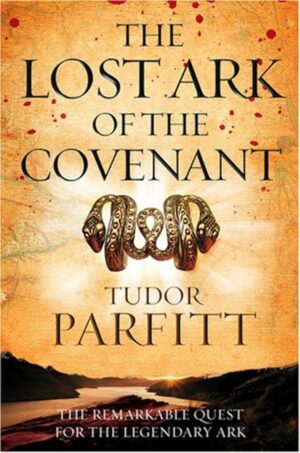
06.02.2022 “The Lost Ark of the Covenant: The Remarkable Quest for the Legendary Ark” by Tudor Parfitt Magick Matters "Professor Tudor Parfitt, a real-life British Indiana Jones, has made the biggest discovery of the last 3,000 years — the secret location of the fabled Ark of the Covenant. In 2006, he made an incredible journey to its final resting place and in February 2008 he will reveal this to the world. This is the amazing story of his quest. This is the real-life account of Professor Tudor Parfitt's remarkable discovery — of the lost Ark of the Covenant that disappeared from the Temple of Jerusalem centuries ago. The holiest object in the world, the Ark of the Old Testament contains the tablets of law sacred to Judaism, Christianity and Islam. Scholar, orientalist and adventurer,...>> View
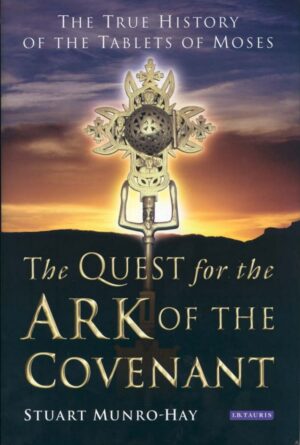
06.02.2022 “The Quest for the Ark of the Covenant: The True History of the Tablets of Moses” by Stuart Munro-Hay Magick Matters "In a chapel in the old crenellated church of Mary of Zion in Aksum, Ethiopia is kept an object that emperors, patriarchs and priests have assured the world is the most important religious relic of all time: the Tabota Seyon, Ark of the Covenant, the Ark of Zion. This Ark is alleged to be no other than the Ark that Moses had constructed at Sinai and which destroyed the walls of Jericho. It was brought into Jerusalem by King David and installed in a magnificent temple by King Solomon. Then, the story goes, it came to Ethiopia of its own choice with the half-Ethiopian, half-Jewish son of Solomon and the Queen of Sheba. Are...>> View
06.02.2022 “A Little Bit of Feng Shui: An Introduction to the Energy of the Home” by Ai Matsui Johnson Magick Matters "Curious about Feng Shui? Your space holds the key to your health, happiness and prosperity, and A Little Bit of Feng Shui provides a useful guide to its teachings. This book will teach you how to understand and use Feng Shui—all the way from its history and basic principles to practical skills that can be used immediately. Author and Feng Shui practitioner Ai Matsui Johnson illustrates how and why to make basic changes in the layout of your home in order to promote positive energy for you, your friends, and family. Readers will learn how to assess and then design their space to unlock its hidden potential, and even apply Feng Shui principles to...>> View